The story of the hat
The white hat.
Every movement has its mark. Ours is a hat — and the hat has a history worth knowing. It was born on a stage, hardened on the street, and chosen, again and again, by people who wanted to be counted as part of something.
A name from the stage
It started with a woman.
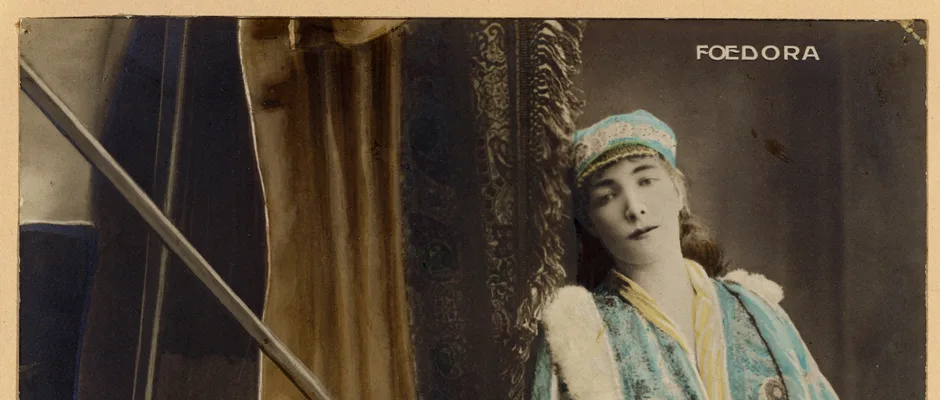
Although it became the most male of hats, the fedora is named after a woman. In 1882, the French playwright Victorien Sardou staged a drama in Paris called Fédora, with the legendary Sarah Bernhardt in the title role. For the part she wore a soft, centre-creased felt hat — and the audience wanted one. The hat took the name of the heroine, and never gave it back.
Why it really matters
The suffragettes made it a badge.
Here is the part that matters most. As the new century turned, the suffragettes — the women demanding the vote and equal civil rights — adopted the fedora as a sign of belonging to the movement. A hat that began as theatre became a quiet uniform of conviction: wear it, and you declared which side of history you stood on.
That's the thread we pulled. The fedora was never really about fashion. It was about belonging to something you believed in — being seen, and counted, among people changing what came next. A movement you could wear.
The shape
Borsalino gave it its form.
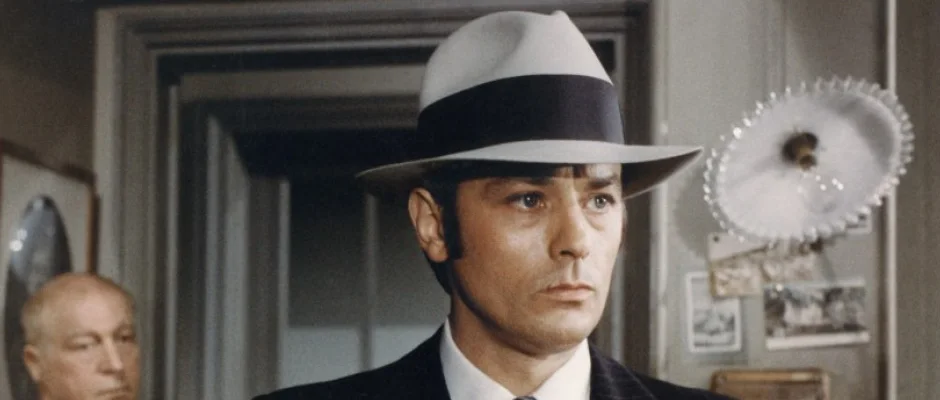
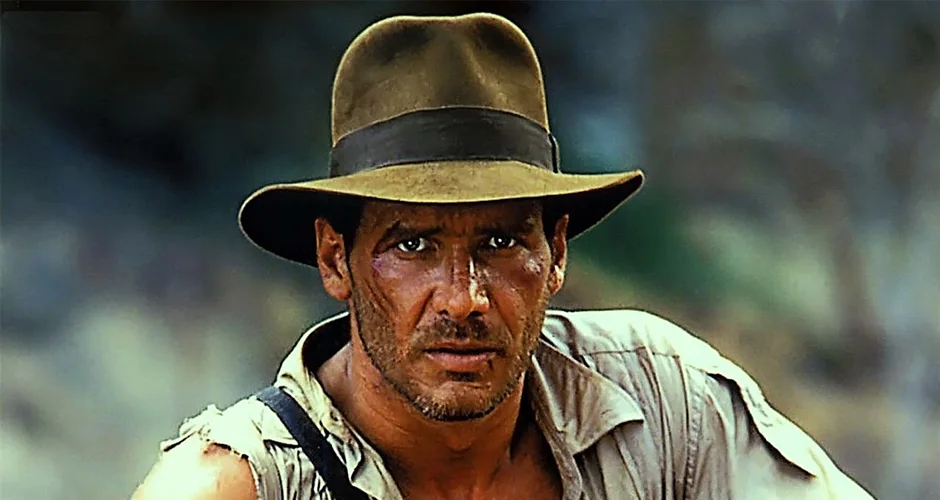
The hat owes its shape to Giuseppe Borsalino, whose Italian workshop turned the soft felt into a precise, lift-by-the-brim icon — so famous it won a prize at the 1900 Universal Exhibition in Paris, and so definitive that for decades "a Borsalino" simply meant "a fedora." On the street it became the headgear of reporters, detectives and anyone with somewhere to be and something to prove.
Bringing it up to date
So why a white one?
Because in the old westerns, you could tell who to trust by the colour of their hat — and in the autonomous age, trust is the whole game. The white hat is the good actor: the one who builds the trustworthy version, who reads the patterns early and doesn't give up, who governs what they automate. Trust is the new reach.
And like the suffragettes' fedora, ours is a badge of belonging. It says nothing about where you came from or the packaging you arrived in — only that you judge people by their character, their actions and what they contribute. That you came to the fire to build, not just to talk.
It was never just a logo. It's a movement — worn well.
The hat is the mark. The room is where it's earned.